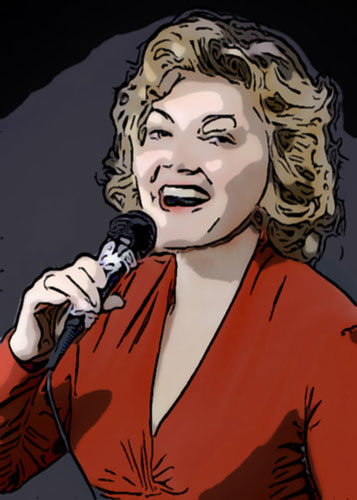
I am getting older, and although singing has always been a big part of my life, COVID put a hold on performing, and I am just now getting comfortable with the circumstances that surrounded me when it was at its peak.
I attempted to get back to singing a couple of years ago, but groups were not requiring COVID vaccination, and my precious grandson, who has Cystic Fibrosis, was not old enough to be protected. I had to pass.
Now, he is vaccinated regularly along with me, my family, and close friends, and I feel safer in crowds in general. My husband and I have resumed most of our social activities, and I am going to try singing in a group once again.
People have asked, “Doesn’t singing bother your burning mouth?”
Not climate change, because I have beliefs about that, but I understand that we don’t all agree about it. I’m not here to talk politics with you. I am here to talk about science and the many studies that prove that air pollution of all kinds is bad for our lungs, our health, and, of course, for our burning neuralgia.
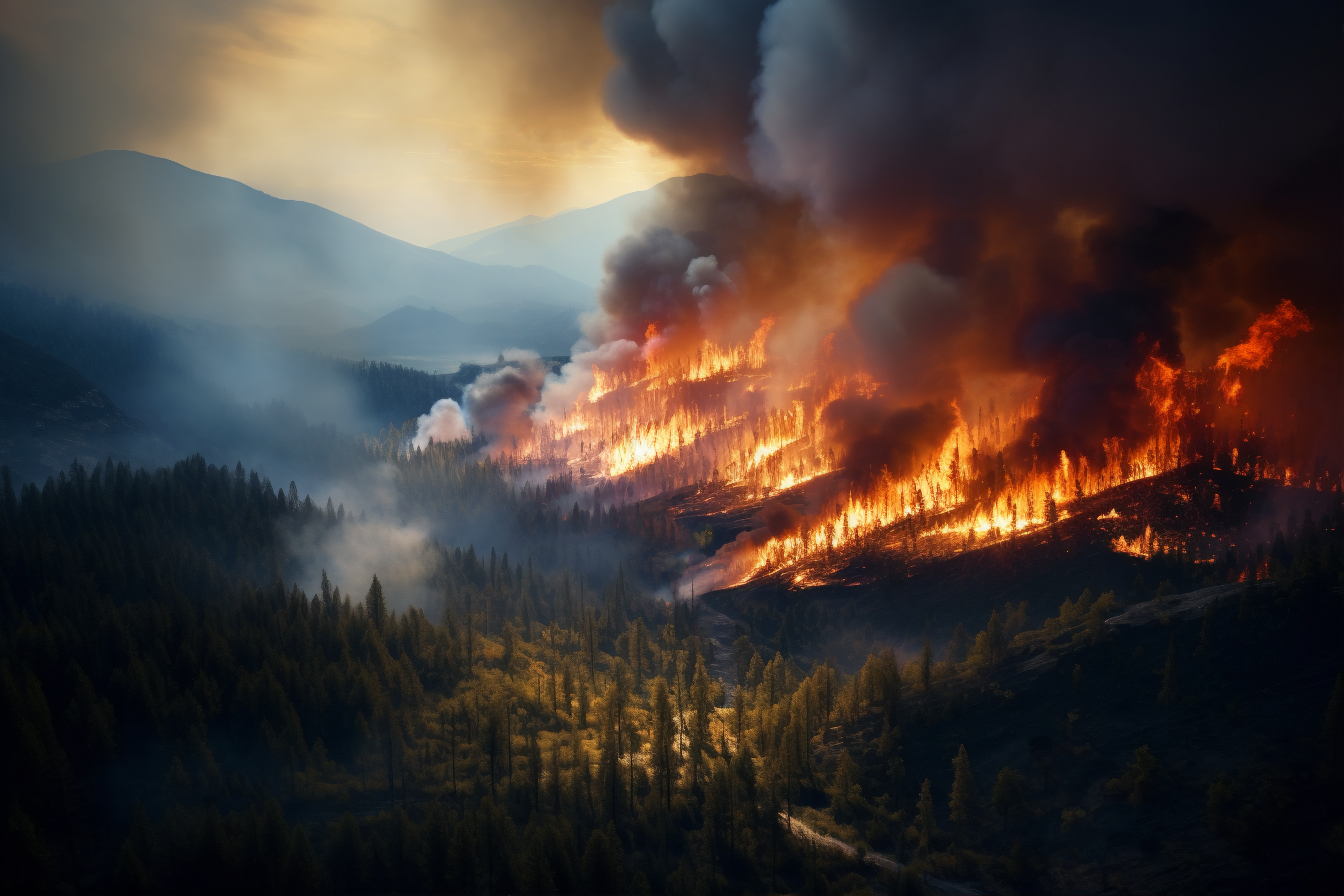
If you are in a part of the world that is affected by wildfires, Saharan dust, or other environmental factors that trigger air quality warnings, please heed them. Stay inside if you can. If you have an air purifier, please use it regularly. Take this seriously for your health and your comfort if you suffer from Burning Mouth Disorder.
I was just in Northwest Washington State for a 50th High School Reunion and planned to fly over to Eastern Washington to spend a few days with my best friend from Austin who bought a condo there a few years ago. She called me and said, “Don’t come.”
The wildfires in Idaho had recently intensified, and the winds were carrying smoke and particulates into her area. She told me the alerts warned that even if the air looked clear enough, it wasn’t, and they advised everyone to stay inside if at all possible. I listened, and we are rescheduling our visit. If you are traveling this summer, check out the air quality as well as the temperatures. Your chronic pain will thank you!
After nearly eighteen years of this round of Burning Mouth, I usually know what is going on. Mastering the BMS Support Website helps, as well. However, no one should skip checking in regularly with their doctor or neurologist to let them know how they are doing, and, more importantly, to see if there is any new information, medications, or coping strategies they should know about.
Please keep in mind that many images, graphics, etc. on the Internet that show you gnarly-looking tongues with cracks and lesions are NOT Burning Mouth. If you have Burning Mouth, there are no visible symptoms. It is one of the things that makes it a challenge to diagnose!
My checkups have gone to an annual schedule since I have had this for so long, and it was great to get a chance to share the physical therapy coping strategy and ask if there was anything new I should try. Unfortunately, it looks like I have tried most meds available, and the ones that worked the best had that pesky head twitch side effect, so I could not continue them.
Have you tried anything lately that worked for you?
I am a cynical person when I am perusing possible treatments for Burning Mouth.
After all, through nearly eighteen years of burning neuralgia, I have tried just about everything that has a reasonable likelihood of helping.
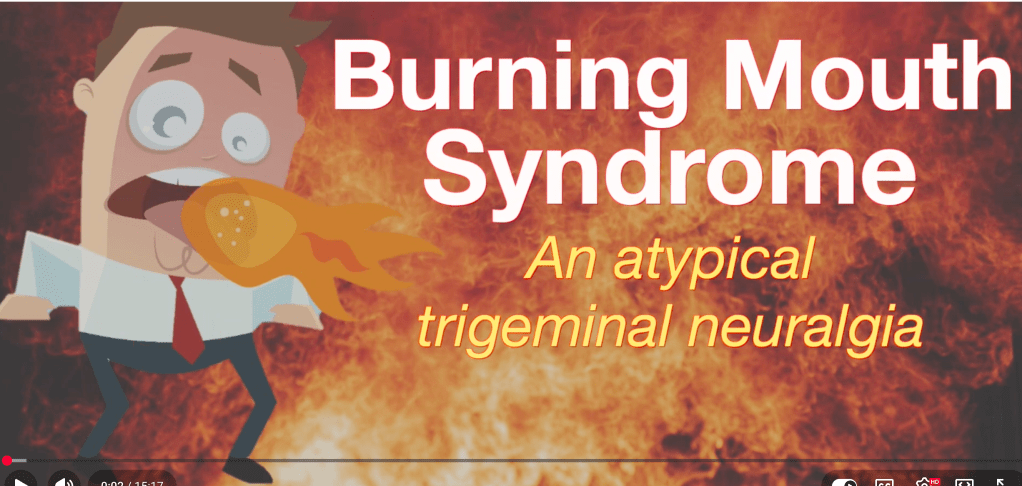
When this YouTube video was brought to my attention, I applied that same questioning attitude, and I must admit, between the somewhat monotone delivery of the doctor and the fact that I didn’t agree with everything he said, it was a bit of a slog. But I am glad that I stayed with it and heard about the connection between the cervical vertebrae and the multitude of major nerves that are affected by them.
I have tried chiropractic care in the past, and although it was pleasant and my Chiropractor was excellent, it did not relieve my pain to any large or lasting way. We did discover that I had a slight reversal in my cervical vertebrae, most likely caused by a minor case of whiplash in my 20s after being rear-ended.
This video highlighted the situation as a potential cause for irritation of multiple nerves, and the doctor recommended a series of exercises to both relax and minimize strain while strengthening the muscles in the neck area to better support proper posture and alignment.
The great news? The combination of 1 mg of Clonazepam ODT and 40mg of Duloxetine is still working. I am still experiencing a tingle of the tongue rather than burning, and it has been liberating.
The not-so-great news? I still have Burning Mouth Disorder, and there is no cure or even a definitive diagnostic test on the horizon. In nearly seventeen years of burning, the best we can hope for is remission. Still, the second best is a combination of medicines and coping strategies (Stay hydrated, my friends!) that allow us to function and avoid descending into depression.
We have talked about depression before and what a sneaky and destructive beast it can be. Please stay aware, and if you have people around you who care for you, ask them to be aware if your sleeping, eating, moods, or general behavior change dramatically. Sometimes those around us notice before we do because we are already in the woods.
If you haven’t seen a Neurologist, I encourage it. I find that of all the specialties out there, Neurologists are a bit more likely to have heard of or seen BMS/BMD and also seem more open to trying different therapies. Mine has had my migraines under control for over six years, and the current BMS/BMD therapy has been working for nearly a year now. Fingers crossed, right?
I have been keeping all of you in the loop as I have been combining a dosage of Clonazepam ODT with a dose of Cymbalta each day. The good news is that it is continuing to work for my primary BMS/BMD (Burning Mouth Syndrome/Burning Mouth Disorder)
I consistently have some tingling in my tongue, particularly in the front third, but it is just that—a tingle. This combination of medicines has greatly lessened the fierce burning I have dealt with over the past seventeen years (yes, May 2025 will be the 17th anniversary!).
Some may say, “Doesn’t that mean you are cured?”
No. It means I have found a combination of medicines and coping strategies that are allowing me to live a nearly normal life. That is a fabulous thing, but it is not a cure.
If you have read some of this blog, you know what a slog it was to get here and that I do not take it for granted. There have been other medications that helped until they didn’t, and I just hope this is not one of those. However, for us, there is no guarantee.
Recently, a reader in China asked an intriguing question. “Is there a diet for Burning Mouth Syndrome/Disorder?”
It was sad to tell him that there was no recommended diet that I knew about. However, there are some things that I have picked up over the years, both anecdotally and through personal experience, that I am better off avoiding.
I will share them here, but I also recommend keeping a pain diary. I have talked about this before, but when looking at potential irritants, intolerances, or allergies, it is of particular benefit!
If you are interested in learning more about pain diaries, there are resources on this blog that can help you. First, you must understand the pain scale and the ways it doesn’t really work for BMS Sufferers. Then, figure out what format works best for you and go to your next doctor visit armed with usable data, whether for diagnosis or continuing treatment.
Some basic tips for Burning Mouth Sufferers when it comes to food irritations:
Avoiding ultra-processed foods and sugars is always good, so definitely do that! In addition, here are some foods and other diet-related things that can be triggers for many people with BMS. 1. Intensely spicy foods. Go easy on the spice until you determine how much your sensitive mouth can handle. Many BMS sufferers are “super tasters” and react differently. 2. Sharp-edged snacks. Yes, I mean chips of all kinds, some nuts, and even pretzels can inflict little cuts in the mouth that aren’t very noticeable while you are eating but can give you a flare after the fact.
3. Chewing gum can help, but if it is sugared, you are bathing your drier than normal mouth with a sugar solution, and can lead to some dental challenges. I switched to Xylitol sweetened gum and perhaps you would like to try it. Xylitol makes your mouth very unfriendly to the bacteria that cause plaque, tartar, and gum recession but you do have to start small and work up to a complete change because Xylitol can cause loose stools until your body adjusts. 4. Low hydration levels. Our mouths hate being dry so consider yourself “putting out the fire” with frequent drinks, whether cold or hot, and in general, water is my go-to! 5. Suspicious that something might be problematic for you? Keep a pain log and you will begin to see a pattern of certain foods or activities that cause your pain to be more intense. Then you can not only moderate your intake or behaviors but you will also have data to share with your medical professional.
I look forward to hearing your experiences and recommendations and do check into the BMS Support Website for more coping strategies to help you in your Burning Mouth Journey.
Those of you who have been reading this blog or checking in on the “About Kalí” page know that I suspect that dental work was a major contributor to my chronic burning mouth. I can tie the syndrome to dental work in both instances it has occurred in my life and even a dental cleaning, no matter how gentle, can cause me to have a minor flare in burning intensity.
Sometimes you just have to get something major done though, and for me, it was the recent replacement of a very deteriorated crown. It was on my lower left back molar and the porcelain cladding had chipped way over the years until I was chomping on metal.
Eventually, I broke through the metal and actually had a hole that could lead to decay and abscess, and my dentist and I decided it was time to “bite the bullet” and replace that crown.
Another year is coming to an end with Burning Mouth Syndrome (Disorder) and I want to share a bit of the research that has been done for us.
As usual, there isn’t a lot and many of the studies are small, but I read everything I can get my hands on and the Burning Mouth Support website publishes links or PDFs!
BMS sufferers have no foundation or national presence so between Facebook Groups (You can find links to them on the BMS Support website!), the Stuff That Works – Burning Mouth Syndrome site, and general Google searches, we make do.
Watch out for those Google searches, though. Often someone is trying to sell you something and often, it works for no one.
Take a look at the research on the BMS Support website. We find the most applicable and well-cited abstracts and reports, and although the scientific language can get a little wordy or even a lot confusing, you can zero in on the conclusion.
You may find a coping strategy or a medicine that may help you deal with this chronic pain. Knowledge is a good thing and the difference between the anecdotal comments on Stuff That Works and Facebook Groups and the conclusions of scientific studies can be dramatic.
Do we need more research?
Darn right, we do!
When will we get it?
When scientists get around to it. There is a hope that as more Americans age and experience this particular chronic pain the numbers will force or validate the need for more research, but it is only a hope.
Meanwhile, we support each other and look for coping strategies and medicines that are helpful.
Happy Holidays to you all, and here’s to making 2024 a better year for all of us.